




TL;DR
- Paint Protection Film (PPF) protects a car’s paint from scratches, chips, and UV damage.
- It helps in preserving the original paint and keeps the car looking new.
- PPF maintains the vehicle’s resale value by reducing paint wear.
- Many films have self-healing properties for minor scratches.
- Professional installation ensures long-lasting, seamless protection.
What Is PPF for Cars?
Daily driving takes a toll on your car’s paint faster than most people expect. Scratches, stone chips, and environmental exposure gradually damage the surface, even with careful driving. That’s exactly where Paint Protection Film (PPF) can help.
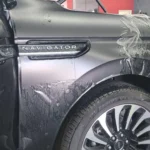
PPF is a clear, durable layer acting as an invisible shield over your car’s paint. It guards your vehicle against road debris, stone chips, and environmental damage, all while preserving the original finish.
In this guide, we’ll explore how PPF for cars works and the key benefits that make it a smart investment for any car owner.
How Does Paint Protection Film Work?
Paint protection film for cars forms a transparent, durable layer over a vehicle’s painted surfaces to protect them from everyday damage. Made from thermoplastic polyurethane, the film is engineered to absorb impacts from road debris, stone chips, and minor abrasions without harming the original paint underneath.
Many high-quality PPFs feature self-healing properties that allow light scratches and swirl marks to disappear when exposed to heat from the sun or warm water. The film also acts as a barrier against UV rays, preventing paint from fading or oxidizing over time.
Additionally, PPF resists stains from bird droppings, tree sap, and chemical contaminants, making the car easier to clean and maintain. Since the film is optically clear, it preserves the vehicle’s original color and finish while providing long-lasting protection.
Also read: Ceramic Coating vs PPF
Benefits of PPF for Cars
Here are some of the key car PPF benefits:
- Strong Paint Protection: Helps shield against stone chips, light scratches, bug splatter, bird droppings, and road salt.
- Maintains Resale Value: Preserves the factory paint, making the car more appealing to future buyers.
- Reduces Long-Term Costs: Limits the need for repainting, paint correction, and frequent touch-ups.
- Enhances Overall Appearance: Available in gloss or matte finishes to enhance shine or give a smooth satin look.
- Invisible Coverage: Clear film blends seamlessly without changing the vehicle’s color or design.
- Durable and Long-Lasting: Built to withstand daily wear and harsh driving conditions.
- Safe Removal: Can be taken off by a professional without harming the original paintwork.
Areas of a Car Commonly Protected with PPF
Here are some of the most common areas of a car protected with PPF:
- Front Bumper: The front bumper is highly exposed to stone chips, insects, and road debris. Applying PPF helps prevent scratches and paint damage in this high-impact area.
- Hood: The hood often takes direct hits from debris and UV exposure. PPF protects the paint surface and prevents fading over time.
- Side Mirrors: Side mirrors are prone to scratches from tight parking spaces and passing vehicles. PPF adds a protective shield without affecting visibility.
- Door Edges and Handles: These areas frequently suffer from chips and scratches due to regular use, making PPF an effective solution.
- Fenders and Rocker Panels: PPF helps protect against dirt, gravel, and road spray, keeping these areas clean and free of damage.
How Long Does Paint Protection Film Last?
Paint protection film is designed to maintain your vehicle’s aesthetics and resale value for several years. On average, high-quality PPF lasts 5 to 10 years, depending on factors such as film quality, installation method, driving conditions, and maintenance habits. Premium films made from advanced thermoplastic polyurethane (TPU) tend to last longer and resist yellowing, cracking, or peeling over time.
Environmental exposure also plays a critical role in determining your PPF longevity. Vehicles that are frequently exposed to intense sunlight, road salt, harsh weather, or abrasive debris may experience faster wear.
5 Essential Tips to Keep Your Car’s Paint Protection Film in Perfect Condition
Here are five essential tips from our experts at Solar Solutions to help you extend the life of your PPF:
1. Wash Your Car Regularly: Clean your vehicle using a pH-neutral car shampoo and a soft microfiber cloth to prevent dirt buildup and surface wear.
2. Avoid Harsh Cleaning Methods: Avoid abrasive sponges, strong chemicals, and automated car washes, which can damage the film over time.
3. Dry the Surface Gently: Pat the car dry with a clean microfiber towel instead of rubbing to avoid unnecessary friction.
4. Remove Contaminants Quickly: Clean bird droppings, bugs, and tree sap as soon as possible to prevent staining and film degradation.
5. Inspect and Maintain Periodically: Check for lifting edges or trapped dirt and consider professional care to extend the film’s lifespan.
Conclusion
Paint protection film is an effective way to protect your vehicle’s paint from scratches, stone chips, UV damage, and everyday wear, keeping your car looking clean and well-maintained for years. By choosing PPF, you can preserve your car’s original finish, maintain its resale value, and reduce long-term maintenance costs.
If you are looking for PPF for your car, then you are at the right place. For over 20 years, Solar Solutions has provided expert PPF installation in Vero Beach using high-quality films and precise techniques. Our specialists ensure every installation is durable, seamless, and tailored to your vehicle’s needs.
Whether you want to protect your paint, enhance your car’s appearance, or maintain its value, our team can guide you in selecting the right PPF and provide professional installation for the best results.
Contact Solar Solutions today to schedule an appointment or speak with a specialist.
Call us: 772-633-6795
Our address: 1175 Royal Palm Blvd, Vero Beach, FL 32960
FAQs
1. Is paint protection film visible on a car?
High-quality PPF is nearly invisible once installed. It is designed to blend seamlessly with your vehicle’s paint while enhancing gloss or maintaining a factory matte finish.
2. Can PPF be removed safely?
Yes, PPF can be safely removed by professionals without damaging the original paint, provided the film has been properly maintained and removed within its recommended lifespan.
3. Does PPF require special maintenance?
PPF requires minimal maintenance. Regular washing and avoiding abrasive cleaners are usually sufficient to keep it in good condition.
4. Is PPF better than ceramic coating?
PPF and ceramic coatings serve different purposes. PPF offers superior physical protection against impacts and scratches, while ceramic coatings enhance gloss and provide chemical resistance. Many car owners choose to use both for optimal protection.