TL;DR
Here’s why 35% window tint provides the best balance:
- Adds privacy without making the glass feel too dark or restrictive.
- 35% tint visibility holds up well day and night for everyday driving.
- Offers heat reduction and keeps your AC from working overtime.
- Sits in the sweet spot across all window tint percentages, not too light, not too dark.
- Cuts glare from Florida’s sun, reflective surfaces and oncoming headlights.
- Meets Florida’s legal limit, making 35% tint on front windows a hassle-free choice.
- Blocks up to 99% of UV rays, protecting your interior from fading and cracking over time.
Is 35% Tint Really the Best Balance?
35% tint means your window film lets in 35% of visible light and blocks the other 65%. That number is called VLT, Visible Light Transmission, and it determines how dark your windows look, how much heat gets through and whether you’re driving legally in Florida.
And to answer the question directly: yes, for most drivers it is the best balance. You get meaningful heat and UV protection, enough privacy to not feel exposed at a stoplight, and visibility that holds up day and night. It doesn’t lean too far in any one direction, which is exactly why it works.
At Solar Solutions, we recommend 35% window tint to drivers who want all three without compromise. If you’re looking into automotive window tint and want to know if this is the right level for your car, here’s everything you need to know.
What Makes 35% Tint Such a Popular Choice?
For Vero Beach drivers, 35% window tint tends to be the perfect middle ground. Here’s why:
- Balanced Privacy Without Feeling Closed In
One of the biggest reasons drivers choose 35% window tint is that it offers noticeable privacy without making the glass excessively dark. During the day, it helps reduce visibility into the vehicle, making it harder for passers-by to see valuables or occupants. At the same time, it avoids the heavily tinted look that some drivers find too restrictive.
- Excellent 35% Tint Visibility for Everyday Driving
A common concern with darker films is reduced visibility, especially after sunset. 35% tint visibility remains strong in most driving conditions, allowing you to see the road, mirrors, pedestrians and surrounding traffic clearly. Many drivers find it provides a comfortable balance between sun protection and safe visibility during both day and night driving.
- Effective Window Tint Heat Reduction
Many drivers assume darker films always block more heat, but modern tint technology tells a different story. Quality 35% window tint can provide excellent window tint heat reduction, helping keep the cabin cooler and reducing air conditioning usage. Premium ceramic films can further improve heat rejection without requiring a darker shade.
- A Well-Balanced Choice Among Window Tint Percentages
When comparing different window tint percentages, 35% often sits in the sweet spot. Lighter films, such as 50%, offer less privacy, while darker options, such as 20% or 5%, can significantly reduce visibility. This middle-ground approach is one reason professionals frequently recommend 35% tint for everyday drivers.
- Reduces Glare for Safer, More Comfortable Driving
Florida’s bright sunshine can create significant glare while driving. 35% window tint helps reduce glare from the sun, reflective surfaces and headlights, making the road easier to see and helping reduce eye strain.
- It Works on Front Windows Without Legal Issues
A lot of drivers specifically look for something that works on front windows without running into trouble. In Florida, front side windows must allow at least 28% of light in. At 35%, you’re comfortably within that limit while still getting meaningful shade and protection where you need it most.
- It Protects Your Interior Long-Term
UV rays are one of the biggest reasons car interiors fade, crack and deteriorate over time. Quality 35% window tint blocks up to 99% of UV radiation, depending on the film, which means your dashboard, seats and door panels hold up significantly better over the years.
Florida legal tint limits & what 35% looks like
Florida sets minimum visible light transmission (VLT) by window and vehicle type. The lower the number, the darker the film. A 35% film is legal on the side and rear windows of every passenger vehicle in Florida, because it is lighter than the darkest film allowed on any of them.
| Window | Sedans and coupes | SUVs, trucks and vans | Is 35% legal? |
|---|---|---|---|
| Windshield | Non-reflective tint above the AS-1 line only | Non-reflective tint above the AS-1 line only | No, except the top strip |
| Front side windows | 28% VLT or lighter, no more than 25% reflective | 28% VLT or lighter, no more than 25% reflective | Yes |
| Back side windows | 15% VLT or lighter, no more than 35% reflective | 6% VLT or lighter, no more than 35% reflective | Yes |
| Rear window | 15% VLT or lighter | 6% VLT or lighter | Yes |
What 35% tint looks like on the Treasure Coast
- In daylight: clearly tinted from outside. In bright Treasure Coast sun it is hard to see into the car, but the windows do not look blacked out.
- From the driver’s seat: a noticeable cut in glare off the road, the water and other cars, with a clear view out.
- At night: most drivers still see well through 35%, which is why it is a popular choice for front side windows on I-95 and US-1 commutes.
- Heat: how much heat 35% blocks depends more on the film type than the shade. Ceramic film rejects far more heat than dyed or carbon film at the same 35%.
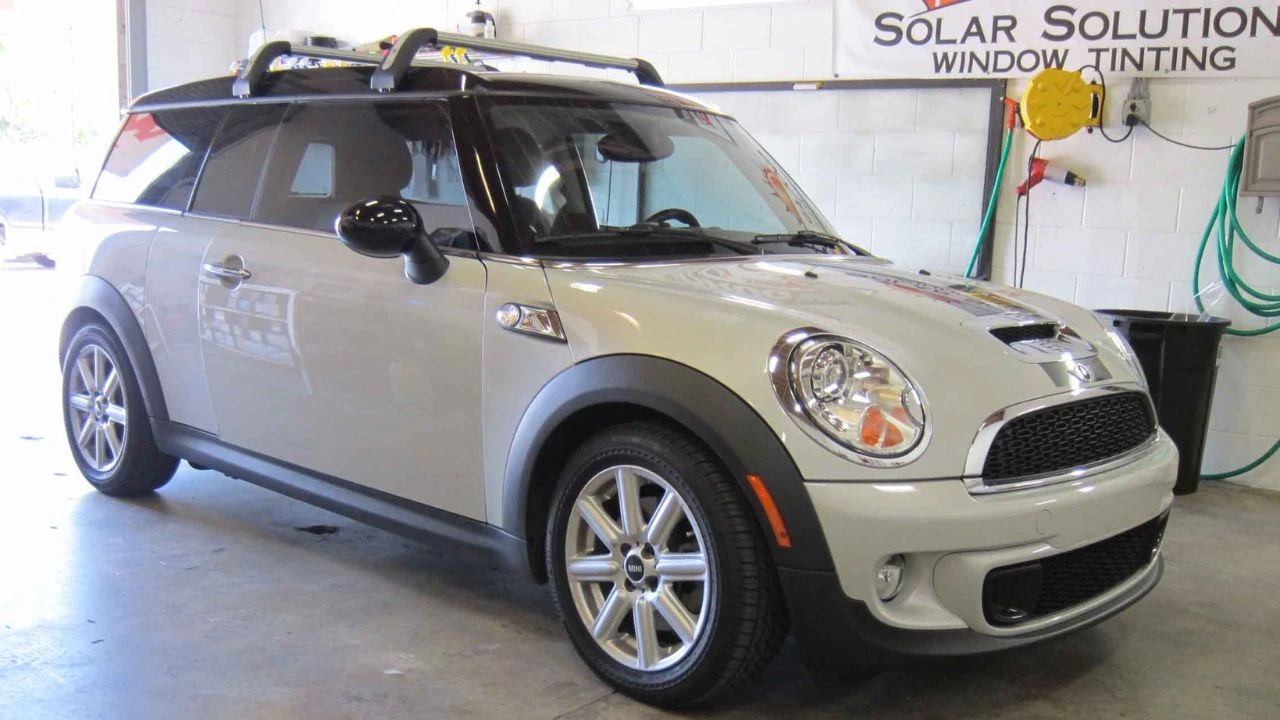
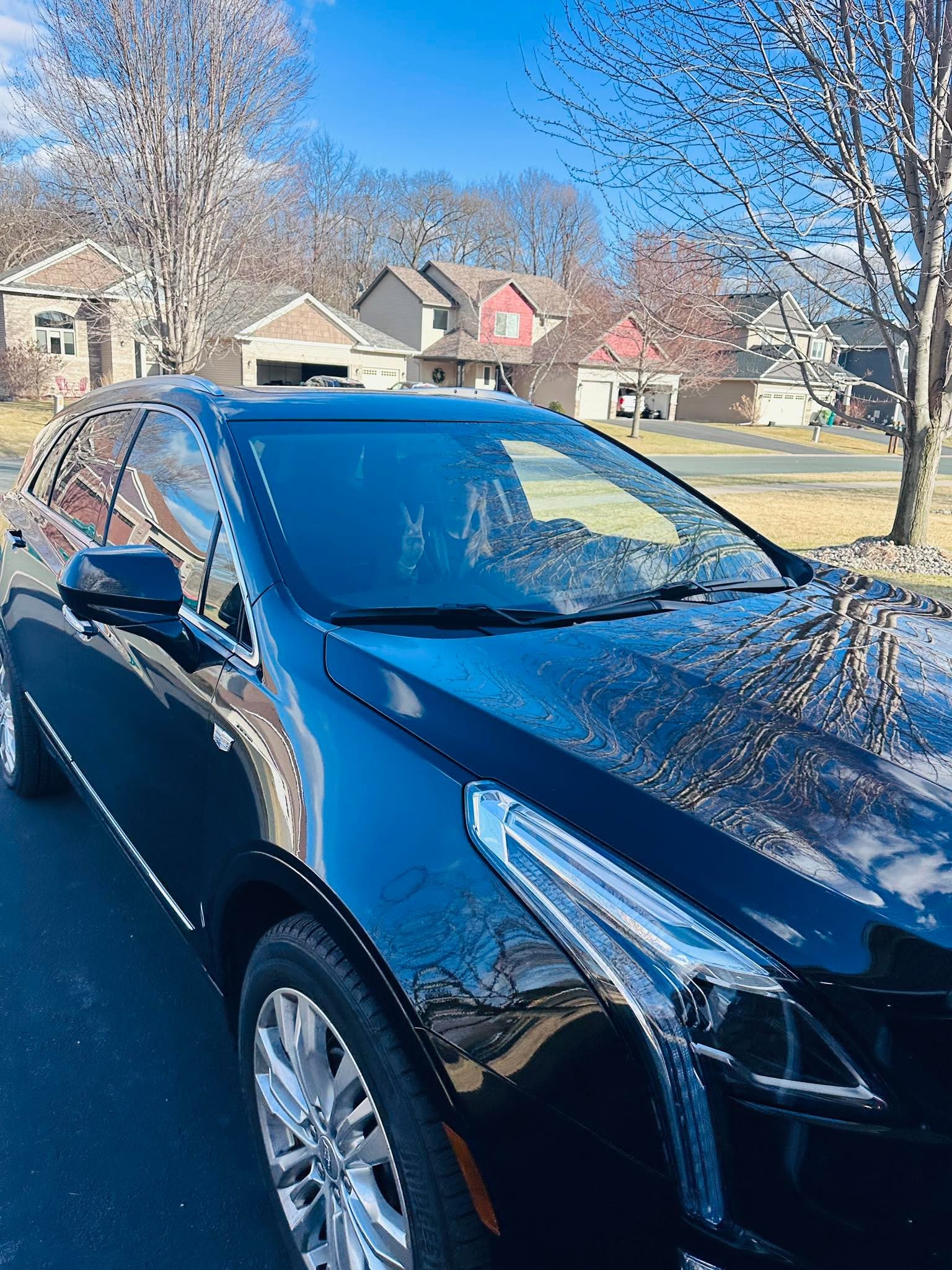
Want to see 35% on your car before you decide? Solar Solutions in Vero Beach can show you film samples on your windows. We tint cars, trucks and SUVs for drivers in Vero Beach, Sebastian, Fort Pierce, Port St. Lucie and Stuart. See our automotive tinting services or call (772) 633-6795.
Final Thoughts
Every Vero Beach driver eventually hits the same wall. The car is too hot, the glare is too much, the interior is starting to fade, and you’re tired of feeling exposed every time you stop at a red light. 35% window tint sits right in the middle and handles the things that actually bother Florida drivers day to day.
If you are still confused, we at Solar Solutions have been helping car owners in Vero Beach make this decision for over 20 years. We know what holds up in Florida’s climate, we know the legal requirements, and we’re not going to push you toward something that doesn’t fit your needs.
Looking for automotive window tint in Vero Beach, FL? We’re easy to reach:
Visit: 1175 Royal Palm Blvd, Vero Beach, FL
Call: 772-633-6795
Email: todd@solarsolutionsvero.com
Working hours: Monday through Friday, 8 AM to 4:30 PM
FAQs
1. Is 35% tint legal in Florida?
Yes. Florida requires front-side windows to allow at least 28% of light in. At 35%, you’re comfortably within that limit. Rear windows have even more relaxed rules. Every install at Solar Solutions is street legal.
2. How dark is the 35% tint?
Moderately dark. It’s darker than 50% but nowhere near as dark as 20% or 15%. Simply put, it’s dark enough to look sharp and provide real privacy, not so dark that it looks extreme.
3. Can you see through 35% tint at night?
Yes. 35% tint visibility at night is comfortable for most drivers. It takes a day or two to adjust, but it’s far more manageable than darker options like 20% or below.
4. Does 35% tint actually reduce heat?
Noticeably. 35% tint blocks a significant amount of infrared radiation, which is what heats up your car’s interior. On a hot Vero Beach afternoon, the difference is noticeable the moment you open the door.
5. Is 35% tint a good choice for front windows?
One of the best. 35% on front windows meets Florida’s legal threshold, protects the driver and front passenger from UV and heat, and adds privacy where you spend the most time in the vehicle.
Is 35% tint legal in Florida?
Yes. 35% is legal on the front side, back side and rear windows of all passenger vehicles in Florida. Front side windows must be 28% or lighter, and back windows 15% (cars) or 6% (SUVs, trucks and vans) or lighter.
Where can I get 35% window tint on the Treasure Coast?
Solar Solutions Window Tinting in Vero Beach installs 35% tint on cars, trucks and SUVs for drivers across the Treasure Coast, including Sebastian, Fort Pierce, Port St. Lucie and Stuart.